Commercial gardeners for Cheam businesses near Nonsuch Park
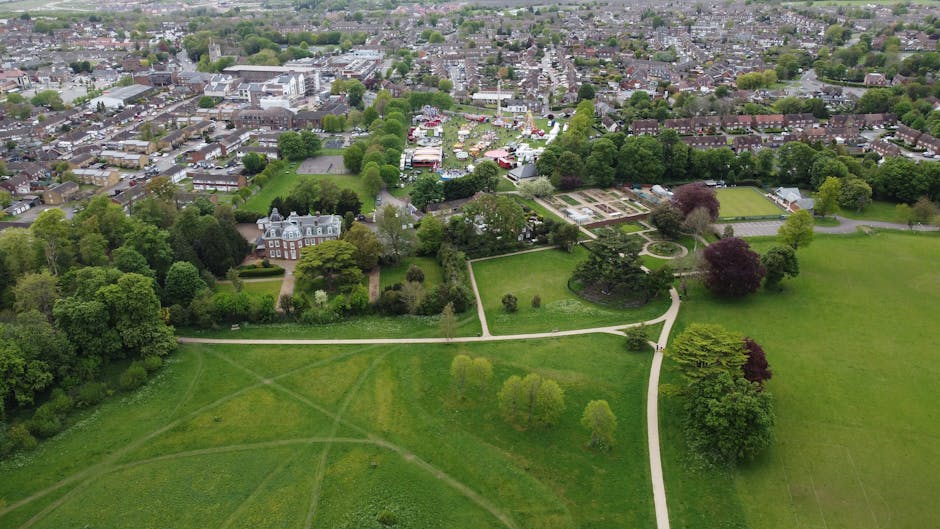
If you manage a shopfront, office, school, care setting, hospitality venue, or mixed-use property in Cheam, you already know how quickly outdoor spaces can slip from "presentable" to "needs attention". One windy week, a few weeds, a tired lawn edge, or an overgrown hedge can change how customers, tenants, and staff see the place. That is exactly where Commercial gardeners for Cheam businesses near Nonsuch Park make a difference: they keep business grounds looking sharp, safe, and workable without turning garden care into yet another thing on your desk.
In this guide, we will look at what commercial gardening actually covers, how the service tends to work, what business owners should expect, and how to choose the right level of support for your site. We will also cover practical checks, common mistakes, and the little details that matter near Nonsuch Park, where a smart, tidy exterior can make a surprisingly strong first impression.
To be fair, most business owners do not need a dramatic landscape overhaul every month. They need consistency, good judgement, and a team that notices the small things before they become problems. That is what makes commercial grounds care different from one-off domestic gardening.
Why Commercial gardeners for Cheam businesses near Nonsuch Park Matters
Commercial grounds are not just decorative. They shape how people experience your business before they even walk through the door. A neat entrance, healthy planting, clipped hedges, and clean hard landscaping suggest care and reliability. Messy beds, patchy grass, or blocked paths suggest the opposite, even if the service inside is excellent.
Near Nonsuch Park, local businesses often sit in streets where greenery really stands out. That is a good thing, but it also means the outside space needs regular attention. Trees grow, shade changes, leaf fall builds up, and weather does what British weather does best: a bit of everything, often in one afternoon. If you want the exterior to support your brand rather than distract from it, commercial gardening becomes part of your presentation, not an optional extra.
There is also a practical side. Regular maintenance helps reduce slip risks, improves visibility, keeps access routes clear, and prevents small issues from becoming bigger repair jobs. A business courtyard with blocked drainage or a clogged patio can quickly become a nuisance. Likewise, a hedge that looks fine from a distance may already be encroaching on signage, light, or footpath visibility. That sort of thing is easy to miss if no one is checking it routinely.
For businesses wanting a broader service picture, it helps to view garden care alongside related maintenance work such as routine garden maintenance, lawn care, and patio cleaning. When those elements work together, the site feels looked after rather than just tidied once in a while.
Expert summary: commercial gardening is not only about appearance. It supports safety, access, staff wellbeing, and customer confidence, while reducing the slow creep of maintenance problems that eat time and money later on.
How Commercial gardeners for Cheam businesses near Nonsuch Park Works
In practice, commercial gardening usually starts with a site review. A gardener or grounds team looks at the size of the outdoor space, the type of planting, lawn condition, access routes, boundary features, and how often the site needs attention. A small office courtyard will need a very different plan from a retail frontage, a nursery, or a larger business park style setting. Obvious enough, but people sometimes miss that distinction and then wonder why the schedule feels wrong.
From there, the work is usually broken into repeatable tasks. These may include mowing, edging, hedge trimming, weed control, pruning, leaf clearance, border maintenance, seasonal planting, soil improvement, and light landscaping repairs. Some businesses need a set monthly visit. Others need weekly or fortnightly care during the growing season and less frequent attendance in winter.
A good commercial service will also pay attention to how your site is used. For example, a public-facing entrance needs a different standard from a rear service yard. A staff break area may need softer planting or more durable ground cover. A shaded side passage may be better suited to hardy, low-maintenance planting choices. If your property faces an open stretch or catches strong wind, you may want to think about the kind of resilience described in practical wind-toughening garden advice.
Where hedges, screening, or boundary planting matter, business owners often look at hedge trimming in Cheam and the useful ideas in hedge trimming techniques. It is a simple truth: a well-kept hedge does a lot of quiet work for a business. Privacy, structure, brand feel, even sound buffering-bit of a multitasker, really.
Most reputable teams will also make safety and access part of the workflow, not an afterthought. That means planning around staff arrival times, deliveries, customer footfall, and areas that need to remain open. For more on the working side of that, the site's health and safety policy and insurance and safety information are worth reviewing before any work begins.
Key Benefits and Practical Advantages
The biggest benefit is consistency. One-off tidying can make a place look good for a day or two. Commercial garden care keeps it looking controlled week after week, which matters far more in the long run. If your business relies on trust, order, or calm presentation, this consistency is doing real work for you.
There are other gains too:
- Better first impressions: neat borders and clear walkways help people feel comfortable as soon as they arrive.
- Reduced risk: fewer trip hazards, less overgrowth, and better visibility around entrances and paths.
- Healthier planting: regular care usually means fewer dead patches, fewer outbreaks of weeds, and less plant stress.
- Time savings: staff are not improvising garden jobs between their actual responsibilities.
- Budget control: steady maintenance often prevents expensive catch-up work later.
- Seasonal flexibility: your outdoor space can be adapted for spring growth, summer presentation, autumn leaf fall, and winter resilience.
There is also a branding effect that people underestimate. A well-maintained frontage suggests your business pays attention to detail. That can matter to everyone from office visitors to customers picking up takeaway, to patients, parents, or guests arriving at a venue. Small things add up. The sound of shears in the morning, the clean edge along a path, the absence of weeds pushing through paving... it all signals care.
If you want a lower-maintenance approach, it can help to think about planting design as well as routine upkeep. Resources like low-maintenance gardening ideas and eco-friendly weed control tips can support a more practical, less fussy site plan.
Who This Is For and When It Makes Sense
Commercial gardening is a fit for any business that has outdoor space people can see, use, or walk through. That includes premises with small planted borders as well as bigger grounds. You do not need a grand garden to justify the service. Even a compact frontage can look shabby fast if it is left alone.
It tends to make most sense for:
- Offices that want a smart, professional exterior
- Retail units where the frontage contributes to footfall
- Hospitality venues that rely on atmosphere
- Schools, nurseries, and education sites with outdoor use areas
- Care homes and medical settings where calm and safety matter
- Block managers and landlords responsible for shared green areas
- Industrial or business parks where tidy grounds support the whole site image
You may also feel the need more strongly if your site has hedging, mature shrubs, or shaded corners that tend to go wild quickly. In those cases, specialist help with plant selection and trimming can reduce future maintenance. For example, planting choices from articles like dynamic hedge varieties or evergreen ideas for shady spaces can make a business perimeter much easier to manage.
When does it stop making sense to handle things in-house? Usually when the work becomes irregular, rushed, or dependent on whoever has ten spare minutes. That is often the point where garden care becomes invisible until it is suddenly urgent. And urgent is expensive. You know how it goes.
Step-by-Step Guidance
If you are considering professional commercial garden care, the process is easier when you approach it in a structured way. Here is a straightforward path.
- Walk the site as if you were a first-time visitor. Notice what people see first, where they walk, and where the space looks tired or unbalanced.
- List your priorities. Is the main issue appearance, safety, privacy, seasonal planting, weed control, or all of the above?
- Separate essential work from optional work. For example, mowing and path clearance may be essential, while decorative planting can be phased in later.
- Check access and timing. Decide when work can happen without disrupting customers, staff, or deliveries.
- Ask for a maintenance plan. A sensible plan should explain what happens weekly, monthly, and seasonally.
- Review safety and insurance details. Make sure you are comfortable with how tools, machinery, and site risks are managed.
- Agree communication. You need a simple way to report issues, request extras, and track what has been done.
- Inspect results over time. Do not judge the service on the first tidy-up alone. Look for consistency after several visits.
A lot of businesses also benefit from adding related services into the plan, rather than treating each task separately. For example, lawn mowing and lawn care can work together, while tree surgery may be needed where mature trees affect light, safety, or leaf drop. If the site includes boundary structures, fencing services can also play a role in privacy and security.
One small but useful tip: ask how waste is handled. That sounds mundane, but it matters. A team that clears clippings, cuttings, and debris properly leaves your place genuinely tidy. For more context on this side of the work, see smart garden waste disposal.
Expert Tips for Better Results
Here is where a bit of experience saves a lot of hassle. The best commercial gardens are not the most complicated; they are the ones designed for the way the property is actually used.
1. Match planting to maintenance capacity. If your business cannot support frequent care, avoid layouts that need constant deadheading or delicate trimming. Hardier planting, ground cover, and structured shrubs usually make more sense. A helpful place to start is ground cover planting ideas.
2. Think in zones. Public entrance, staff area, service yard, boundary line, and decorative space all have different jobs. Trying to maintain them all the same way is a common mistake.
3. Keep an eye on seasonal pressure points. Autumn leaf fall, spring growth flush, and summer dry spells each create different maintenance needs. In winter, weather damage and staining become more noticeable. The article on preventing weather damage is a good reminder that resilience is part of design.
4. Use hedging with intention. A hedge can screen views, shape movement, and soften a hard building line. But it also needs regular care. If privacy is important, the guidance in privacy hedge varieties can help you think more strategically.
5. Don't ignore soil quality. Healthy planting starts below the surface. Thin, compacted, or exhausted soil causes repeat problems that mowing alone will never solve. If you want to go a bit deeper on that, soil and waste-smart practices are worth a look.
And one practical truth from day-to-day work: if a garden looks hard to maintain, it probably is hard to maintain. The layout is telling you something. Listen to it.
Common Mistakes to Avoid
Businesses often make the same avoidable errors when they first bring in commercial gardeners or review their outdoor maintenance approach. None of them are dramatic on their own, but they compound quickly.
- Hiring only on price. A cheap quote can be fine, but only if the scope is clear. Otherwise you may be buying half a service.
- Not defining standards. "Keep it tidy" is too vague. Tidy what, where, and how often?
- Ignoring access issues. Locked gates, awkward storage, and busy delivery times can delay work and reduce quality.
- Over-planting decorative features. Looks great in spring, then becomes a maintenance headache by midsummer.
- Letting hedges and trees drift. Once structure is lost, recovery usually takes longer than people expect.
- Forgetting the hard landscaping. Weed growth through paving or grime on patios can undo a lot of good garden work.
- Skipping seasonal reviews. What worked in April may not work in October, and that is normal.
Another common one? Treating garden care as a one-time tidy before an event. That may work for a single day, but a business usually needs continuity. Otherwise you get the nice-looking photo and then the return of the weeds. Nature is persistent like that.
If your site has vertical surfaces, boundary features, or dense areas where growth gets out of hand, it may also be helpful to read about ivy removal tactics and hedge trimming techniques. These are often the hidden jobs that make the biggest difference to a polished result.
Tools, Resources and Recommendations
Professional teams normally bring their own equipment, but it still helps to know what good commercial garden care relies on. At a minimum, expect the right mowing, cutting, pruning, edging, and clearance tools for the site, plus safe transport and waste handling. For more on the basics of kit, essential tools of the trade is a useful companion read.
For business owners, the most useful "resources" are often process tools rather than physical ones:
- A simple site plan showing zones and priorities
- A maintenance calendar for seasonal work
- Photos taken before and after visits to track progress
- A log of problem areas, such as recurring weeds or shading issues
- A list of areas that must stay clear for access or safety
Design-wise, there are also practical ideas that can improve a business site without making upkeep unmanageable. If you need a quieter seating area for staff or visitors, garden seating ideas can help shape a pleasant break space. If the site is tight on room, vertical garden benefits can be useful for adding greenery without using too much ground space.
For businesses trying to lower ongoing effort, low-maintenance gardening ideas are especially worth considering. Honestly, if a planting plan needs someone hovering over it every other day, that is usually a sign to rethink the layout.
Law, Compliance, Standards, or Best Practice
Commercial garden work touches on practical safety, site management, and duty of care. While the exact obligations can vary depending on your property type and arrangements, most businesses should think carefully about safe access, equipment use, waste handling, and public or staff protection. It is wise to treat this as a normal part of choosing a provider, not a box-ticking exercise after something has gone wrong.
Good practice usually includes:
- Clear risk awareness around tools, ladders, cutting equipment, and flying debris
- Proper consideration of public access, staff movement, and delivery points
- Reasonable protection for fragile planting, glass, signage, and boundary features
- Appropriate insurance cover for the work being carried out
- Clear communication about timings, site rules, and storage of materials
If your premises serve the public, use shared access routes, or operate in a sensitive setting such as education or care, this becomes even more important. You should expect a professional approach to health and safety, not vague reassurance. The pages on health and safety policy, insurance and safety, and payment and security are the sort of trust signals many business owners look for before proceeding.
For contracting and service expectations, it also helps to review terms and conditions and the provider's approach to complaints handling. Not because problems are expected, but because clear processes reduce friction if something needs attention. That, frankly, is just good business.
Where sustainability matters, business owners may also want to think about plant choice, waste reduction, and less resource-hungry maintenance. The article on gardening and climate impact gives a helpful wider view without turning the subject into a lecture. Nice balance, that.
Options, Methods, or Comparison Table
Different businesses need different levels of support. The right choice depends on budget, site visibility, and how much you want the exterior to do for your brand.
| Approach | Best for | Strengths | Trade-offs |
|---|---|---|---|
| Basic reactive tidy-ups | Low-traffic sites with minimal planting | Lower immediate cost, useful for occasional clean-ups | Less consistent, problems build between visits |
| Scheduled commercial garden maintenance | Most offices, shops, and business premises | Reliable appearance, easier budgeting, fewer surprises | Requires regular commitment and site planning |
| Full grounds care package | Larger or high-profile properties | Best presentation, broader maintenance coverage, better continuity | Usually the most involved option |
In many cases, a scheduled plan is the sweet spot. It keeps the site presentable without overcomplicating things. If your property also needs structural or boundary support, adding landscaping or fencing can improve both function and appearance in one go.
Case Study or Real-World Example
Imagine a small professional practice near Nonsuch Park with a front border, a narrow side passage, and a lawn strip that had become patchy over time. Nothing dramatic. Just the kind of space that slowly starts to look neglected when everyone is busy.
The first problem was weeds along the paving edges. The second was a hedge that had grown unevenly and was blocking a bit too much light. The third was a back area where leaves kept collecting in autumn and making the ground damp and untidy. Staff were noticing it, visitors were noticing it, and no one had time to solve it properly.
A sensible commercial gardening plan would usually start with the basics: clear the paving edges, re-establish the hedge line, repair the lawn care routine, and set up a seasonal clearance schedule. Once those foundations were in place, the site would already feel calmer. Then a small amount of planting refinement-perhaps a durable border plant or a more structured edge-would add polish without creating extra work.
That is the thing with good grounds care. It does not have to shout. Sometimes the best result is simply that nobody comments because everything feels right. The path is clear, the hedge is even, the lawn looks alive, and the whole frontage quietly does its job.
Practical Checklist
Before you appoint commercial gardeners, use this checklist to keep the process grounded and useful:
- Have you walked the site and identified the areas that matter most?
- Do you know whether you need weekly, fortnightly, monthly, or seasonal support?
- Have you separated essential maintenance from optional improvements?
- Are entrances, paths, and high-visibility areas clearly defined?
- Do you need help with hedges, trees, lawns, patios, or all of them?
- Have you checked how waste will be removed and where it will go?
- Are safety, insurance, and access arrangements clear?
- Have you asked how the team handles weather changes and seasonal pressure?
- Is there a straightforward way to review work and raise concerns?
- Have you considered whether the planting scheme is actually realistic to maintain?
If you can answer most of those with confidence, you are already ahead of the game. If not, that is fine too. It just means the brief needs a bit more thought before work starts.
Conclusion
Choosing Commercial gardeners for Cheam businesses near Nonsuch Park is really about protecting the way your property feels every day: tidy, safe, calm, and intentional. The right service supports more than appearance. It helps your business run more smoothly, reduces avoidable maintenance pressure, and gives visitors a better experience from the moment they arrive.
The strongest results usually come from simple, steady routines rather than dramatic gestures. A clear plan, good timing, sensible planting, and proper attention to the details will go much further than a once-a-year tidy-up. And if you get the foundations right, the rest becomes easier. Not effortless, exactly, but easier.
Get a free quote today and see how much you can save.
If you are ready to take the next step, use the site's pricing and service information to shape your brief, then speak with a team that understands both local presentation and practical grounds care. A well-kept business exterior has a quiet confidence about it. You notice it, even if you only notice it for a second.
Frequently Asked Questions
What do commercial gardeners for Cheam businesses near Nonsuch Park usually handle?
They normally handle routine lawn care, hedge trimming, pruning, weed control, border upkeep, leaf clearance, seasonal planting, and light garden maintenance. Some businesses also need support with patios, fencing, or landscaping work.
How often should a business garden be maintained?
It depends on the site, but many commercial properties benefit from weekly or fortnightly visits during active growing periods, then slightly lighter schedules in quieter months. High-visibility entrances usually need more regular attention.
Is commercial gardening different from domestic gardening?
Yes. Commercial work usually involves more emphasis on consistency, access planning, public safety, and keeping a business image intact. The standards are often less about "pretty" and more about reliable presentation and site function.
Can commercial gardeners help with a very small frontage?
Absolutely. A small frontage can still have a big effect on first impressions. In fact, compact spaces often benefit most from tidy edging, controlled planting, and a simple maintenance plan.
What should I ask before hiring a commercial gardening service?
Ask what is included, how often visits happen, how waste is removed, what insurance is in place, and how the team handles access and site safety. Those basics matter more than flashy promises.
Do business gardens need different planting choices?
Often, yes. Businesses usually do better with durable, easy-to-maintain planting that keeps its shape and does not demand constant intervention. Low-maintenance schemes tend to be more practical.
What if my business site has hedges, trees, and a lawn area?
That is very common. A good provider can usually combine hedge trimming, tree work, and lawn care into one coordinated plan so the whole site stays balanced rather than piecemeal.
How can I reduce maintenance costs over time?
Choose suitable plants, keep on top of weeds, avoid overcomplicated borders, and schedule work before problems build up. Preventive maintenance usually costs less than catch-up work, even if it feels less dramatic.
Are there safety issues I should think about?
Yes. Tools, ladders, debris, slippery surfaces, and public access all need attention. That is why insurance, health and safety processes, and clear site rules are worth checking from the start.
Can commercial gardening improve the look of a customer entrance quickly?
Yes. Even a basic tidy-up can make a big visual difference. Clearing weeds, shaping hedges, freshening the lawn edge, and cleaning hard surfaces can change the feel of an entrance surprisingly fast.
What is the best time of year to start commercial garden maintenance?
Any time is better than waiting, but many businesses begin with a spring clean-up or an autumn reset. Those seasons make it easier to correct accumulated issues and set a sensible routine for the months ahead.
Where can I learn more about the practical side of the service?
It helps to review the provider's service pages, safety information, and pricing guidance, then think about which outdoor areas matter most to your business. A clear brief leads to a much better result, every time.