What to Know When Access Is Tight for Cheam Gardeners
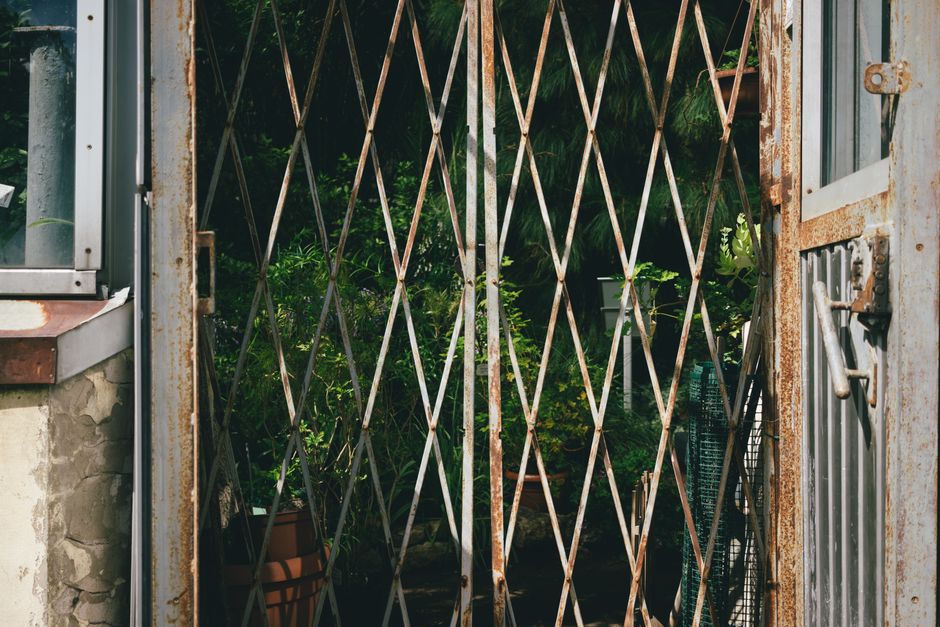
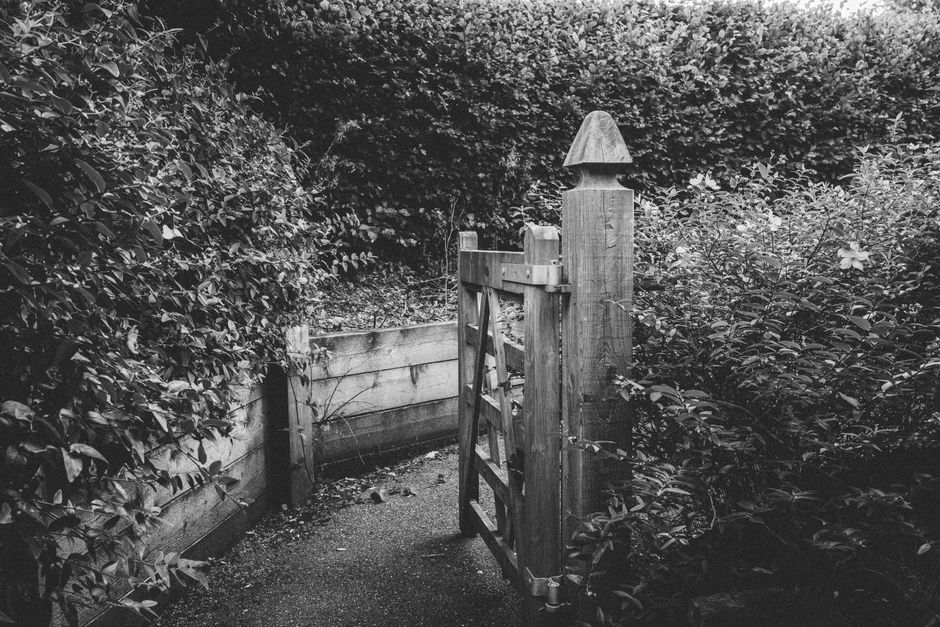
If you live on a narrow plot, have a side passage that barely fits a wheelbarrow, or need garden work done through a house rather than the back gate, you already know the feeling: access can make a simple job turn awkward fast. What to know when access is tight for Cheam gardeners is less about one trick and more about planning, patience, and the right sequence of work. Done well, tight-access gardening is tidy, efficient, and far less stressful than people expect. Done badly, it can mean damaged lawns, scraped walls, wasted time, and a lot of back-and-forth with tools.
This guide walks through the practical side of working in restricted spaces around Cheam, from planning and equipment choices to safety, waste removal, and the sorts of jobs that are easiest to tackle first. It is written for real gardens, real homes, and real awkward corners. Let's face it, not every garden has a generous side return and a wide hardstanding. Sometimes you are working with a gate that sticks, a shared alley, or a route that only just accommodates the mower. That is normal. The good news? It can still be handled well.
Why What to know when access is tight for Cheam gardeners Matters
Tight access changes the whole job. It affects how long the work takes, what tools can be used, how many people are needed, and even which tasks should happen first. A lawn cut through a narrow side passage is a different proposition from a mower rolled straight out of a garage. Tree pruning with limited access needs more care than the same work in an open rear garden. Even something as ordinary as hedge trimmings or green waste can become awkward if there is no easy route to the front.
In Cheam, where gardens can range from compact town plots to older homes with awkward layouts, access is often the hidden factor behind quotes and schedules. You may not think about it until a team arrives and realises the only route is through the kitchen, or a fence panel needs carrying around a tight corner. That is why good planning matters. The work itself may not be difficult; the logistics are what bite.
There is also a quality issue. When movement is restricted, gardeners need to think about protecting surfaces, limiting wear on borders, and avoiding repeated trips that churn soil or flatten planting. A job can be completed perfectly yet still leave the garden looking tired if access planning was ignored. To be fair, most of that is preventable.
Expert summary: Tight access does not make a garden unworkable. It simply changes the order of operations, the tools you choose, and the care needed to protect both the property and the finished result.
How What to know when access is tight for Cheam gardeners Works
The first step is a proper look at the route, not just the garden itself. A professional will usually assess where tools, materials, and waste can move in and out. That includes gate widths, side returns, steps, fragile paving, overhead obstacles, and whether the job needs to pass through shared areas. If access is limited, smaller equipment, more manual handling, or staged work may be needed.
For routine maintenance, access planning might be as simple as using lighter hand tools, compact mowers, or bags that are easier to move in sections. For bigger work such as landscaping, fencing, or tree surgery, access becomes part of the method statement. Materials may need to be cut to size before arrival, delivered in smaller loads, or assembled on site in a different order. That sounds fussy, but it saves time. A lot of time, actually.
What matters most is matching the job to the route. If a hedge is overgrown but the only way to reach it is through a narrow passage, trimming from the garden side may be safer than carrying long cuttings through the house. If a patio needs cleaning but water access is awkward, the team may choose a different setup or sequence to avoid dragging hoses across delicate areas. The same principle applies to lawn care, edging, waste removal, and maintenance visits.
There is also a communication piece. Clients who mention the access issue early tend to get better outcomes. A quick description of the gate width, the surface type, or the fact that a fridge-sized trampoline has been abandoned in the side return can change how the job is scheduled. Small detail, big difference.
Key Benefits and Practical Advantages
It may sound obvious, but good access planning makes the whole job smoother. When the route is clear and the constraints are understood, the work can be more accurate, more efficient, and less disruptive to the household. That is especially useful if you have pets, children, or neighbours who are not thrilled by repeated trips through the same narrow passage.
- Less disruption: fewer trips through the house or shared walkways.
- Better protection: lower risk of scratched paintwork, broken pots, or compacted borders.
- Cleaner finishes: fewer chances of dragging mud, leaves, or cuttings across finished surfaces.
- Safer working: smaller tools and controlled movement reduce accidents in confined spaces.
- More accurate quotes: the job is assessed on reality, not guesswork.
- Faster decision-making: everyone knows what is possible before work begins.
For many Cheam homes, the biggest benefit is simply avoiding friction. A tight-access job can feel stressful when the plan is vague, but surprisingly easy when the route, materials, and waste strategy are sorted in advance. And yes, that includes the awkward bit where a hedge trimmer needs to pass through a hallway without leaving a trail of leaves like a tiny green crime scene.
There is a softer benefit too. Gardens feel calmer when the work process is controlled. If you want the end result to look neat, the route in and out has to be neat as well. That is one reason a lot of clients prefer to bundle tasks together, such as maintenance, light pruning, and waste clearance, rather than scattering them over several separate visits.
Who This Is For and When It Makes Sense
Restricted access affects more people than you might think. It is not only about tiny back gardens. It can also apply to side access blocked by bins, decked areas with limited walkways, terraces with stair-only entry, maisonettes with shared approaches, or larger gardens where one corner is difficult to reach without crossing the whole plot.
This matters most if you are:
- in a terrace or semi-detached home with narrow side access
- managing a garden with steep steps or level changes
- dealing with overgrowth that blocks the easiest route
- planning fence replacement, hedge work, or tree pruning
- looking after a rented property where access has to be protected carefully
- wanting regular maintenance without repeated disruption indoors
It also makes sense for anyone who has tried to do a quick job themselves and realised the garden is fighting back a bit. We have all been there: the mower is too heavy for the passage, the bag is too awkward to lift, the cuttings are too many, and suddenly a 30-minute job has become a Saturday. That is exactly when proper access planning pays off.
If you are deciding whether to tackle a job yourself or bring in help, ask one simple question: can the work be done without forcing tools, materials, and waste through a route that was never designed for it? If the answer is no, you already have your answer.
Step-by-Step Guidance
- Measure the access route. Check gate widths, passage length, steps, head height, and turning points. It helps to know where a wheelbarrow can actually pivot, not just where it can enter.
- Identify fragile surfaces. Mark areas where protection is needed: gravel borders, old paving, painted walls, glass panels, decking, or delicate planting.
- Decide what is being moved. Tools, plants, turf, timber, soil, bags of waste, fencing panels, and ladders all need different handling.
- Choose the work sequence. Some jobs need to happen before others. For example, clearance before pruning, or pruning before any hard landscaping starts.
- Reduce load sizes. Smaller, more frequent loads are often easier than one big chaotic transfer. Less heroic. More sensible.
- Protect the route. Use boards, covers, or careful foot traffic management where needed.
- Plan waste removal early. If the waste route is difficult, it should be part of the plan from the start, not a last-minute scramble.
- Review the finish. Once the work is done, check for scuffs, soil spill, loose debris, and any area that needs a final tidy.
A useful rule is this: if you cannot describe how the tools will get in and the waste will get out, the job is not fully planned yet. That sounds blunt, but it saves headaches. Many problems in tight-access gardens are not gardening problems at all; they are logistics problems wearing a gardening hat.
For bigger projects, you may also need to break the work into phases. A landscaping scheme might begin with clearance and access prep, continue with structural work, and finish with planting and detailing. That phased approach keeps the site manageable and helps prevent damage to newly completed areas. You do not want to trample the same border three times because the order was off.
Expert Tips for Better Results
Over the years, one thing becomes clear: the best tight-access jobs are usually the calmest ones. Not the quickest, the calmest. There is a difference.
- Start with the route, not the task. If the route is awkward, the task must be adapted around it.
- Use compact equipment where possible. Smaller tools often reduce strain and improve control in narrow spaces. You can work more precisely and with fewer mishaps.
- Keep the workspace lean. Clear away loose pots, toys, recycling, and anything that turns a passage into obstacle course territory.
- Think in exits as much as entries. Getting something into the garden is only half the story. Getting it back out matters just as much.
- Take weather into account. A narrow access route that is fine in dry conditions may become slippery or messy after rain. Cheam weather can change the mood of a job quickly.
- Use plant choices that suit low-disruption maintenance. If access is hard, consider planting and maintenance choices that are easier to manage long term. Low-maintenance gardening ideas are worth a look if you want less frequent heavy work.
- Do not overload the schedule. Tight-access jobs often take a little longer than expected. Build in breathing room.
Here is a small but important tip: if a contractor asks questions about access before giving a price, that is usually a good sign. It means they are thinking about the real job, not a fantasy version of it. In our experience, the people who ask about side access, waste access, and route protection are often the ones who leave the garden in the best state.
And if the garden is shared with pets or children, mention that too. A narrow route can become much more complicated when a dog decides it is the perfect moment to supervise. Charming, yes. Efficient, not always.
Common Mistakes to Avoid
Most tight-access headaches are preventable. The problem is that they tend to show up late, when everyone is already carrying something awkward and hoping for the best. That is when mistakes happen.
- Assuming access is "fine" without measuring it. A gate can look generous until you try to move a hedge trimmer, bin bag, or timber board through it.
- Leaving waste planning until the end. Green waste builds up faster than people expect, especially after hedge work or clearance jobs.
- Using full-size equipment by default. Big machines can be unnecessary, unsafe, or simply impossible to manoeuvre.
- Forgetting to protect the route. One muddy boot print is an accident. Ten of them are a pattern.
- Working in the wrong order. If access depends on clearing a path, clear it first. Simple, but easy to miss.
- Not telling the gardener about obstacles. Shared access, locked side gates, unstable paving, and overhanging branches all matter.
- Choosing purely on price. A quote that ignores access can look cheaper but cost more later in time, disruption, or corrections.
Another common issue is underestimating the physical effort involved. Carrying bags of compost or waste through a tight route is tiring. It sounds minor until you have done it three or four times. Then your back starts sending opinionated messages. So, yes, plan for human effort too.
Tools, Resources and Recommendations
The right tools do not magically solve an access problem, but they make a huge difference. A well-chosen tool set can turn an awkward space into a workable one. The goal is not to own more equipment than necessary. It is to use tools that fit the route.
Useful options often include:
- compact hand tools for pruning, weeding, and edging
- lightweight bags or containers for carrying waste in smaller loads
- smaller mowers or manual alternatives for restricted lawns
- protective boards or coverings for paths and floors
- carefully selected ladders or access aids where overhead work is needed
- cut-and-carry methods for hedge work when large bundles would be awkward
If you are improving the garden itself, think about designs that reduce future access stress. Vertical planting can help in compact urban gardens, and so can carefully chosen borders. If privacy is part of the goal, planting choice matters as much as fencing or screening. For ideas, see the benefits of vertical gardens in urban environments and dynamic hedge varieties for fast privacy.
Where access is very limited, it can also be sensible to prioritise services that reduce bulk and repeated handling. For example, regular garden maintenance often keeps things under control better than waiting for a big clear-up. The same is true for lawn care and lawn mowing when the lawn is reachable but not especially easy to move around.
Law, Compliance, Standards, or Best Practice
For most domestic gardening in tight-access spaces, the main concern is not a complicated legal framework; it is good working practice and care for people and property. That said, there are a few sensible standards worth keeping in mind.
First, anyone carrying out work should think about safe access, safe lifting, and secure tool handling. That is especially true where steps, wet surfaces, or awkward carrying routes are involved. If a job includes ladders, power tools, or tree work, the level of care should rise accordingly. For peace of mind, it is worth reviewing a provider's approach to health and safety and their general insurance and safety arrangements.
Second, waste handling should be done properly. Garden waste should not be left blocking shared access or dumped casually because the route was awkward. If there is a difficult load-out, it should be planned, and if needed, handled in stages. That is just good practice. It also keeps neighbours happier, which never hurts.
Third, if the work involves fencing, trees, or structural changes, check that the job is being scoped sensibly for the space. Tight access can affect not only installation, but also how materials are brought in and how old materials are removed. In that context, a proper look at fencing or tree surgery services can help you understand whether the project is realistic as planned.
Finally, if you are comparing providers, read the terms carefully. A clear job description, a sensible approach to access, and transparent payment terms are all signs of a professional setup. You can also review terms and conditions, payment and security, and pricing and quotes before making a decision.
Options, Methods, or Comparison Table
Different jobs call for different access strategies. There is no single best method, but there is usually a smarter one for the situation in front of you.
| Method | Best for | Pros | Watch-outs |
|---|---|---|---|
| Full-route manual handling | Very small jobs, minor tidy-ups, light pruning | Simple, flexible, low equipment needs | Can be slow and physically demanding |
| Compact tools and smaller loads | Routine maintenance, lawn work, hedge trimming | Good control, less disruption, safer in narrow spaces | May take longer than larger equipment |
| Phased site work | Landscaping, fencing, major clearance | Better organisation, less clutter, clearer sequencing | Requires careful planning and patience |
| Cut-and-carry approach | Hedge work, tree pruning, bulky green waste | Reduces carrying oversized bundles through access points | Can increase the number of trips |
| Pre-cut materials off site | Fencing, decking, larger installations | Less on-site congestion, easier movement | Needs accurate measurements and preparation |
If you are weighing options for privacy, boundaries, or screening, it can also help to compare hard and soft approaches. A fence may be the cleanest fit where access is awkward and the job needs to be completed in one structured phase. A hedge can be lovely, but it needs space, patience, and ongoing maintenance. For more on the boundary side of things, see fencing options and the page on fencing services.
Case Study or Real-World Example
A Cheam homeowner with a modest rear garden contacted a gardener for a seasonal tidy-up. At first glance it sounded straightforward: hedge trim, border clear-up, lawn cut, and waste removal. The catch was the access. The back gate was narrow, the side passage had a sharp corner, and the only practical route passed through a kitchen door with a freshly cleaned floor. Not ideal.
Instead of forcing the standard routine, the work was broken into manageable phases. Smaller tools were used for the hedge and borders. The cuttings were bagged in lighter loads. The route through the house was protected and kept as short as possible. The team completed the tidy-up without dragging branches through the garden twice or knocking over anything important. That last part matters more than people think.
The homeowner had expected the access issue to make the visit messy and slow. In the end, it made the planning more careful, not the outcome worse. The garden looked sharper, the route stayed clean, and the follow-up maintenance was easier because the team had already cleared the trouble spots. A small example, but a common one.
If the same garden had needed a larger project, the access challenge would have shaped the quote and the method much more strongly. That is normal. A good contractor would rather explain that up front than pretend the job is the same as one with a wide, open rear gate. Honest estimates save everyone grief.
Practical Checklist
Use this checklist before arranging work in a tight-access garden:
- Measure the narrowest access point.
- Check for steps, bends, or low head height.
- Identify surfaces that need protection.
- Clear bins, toys, pots, and loose items from the route.
- Explain where the tools and waste will pass through.
- Flag any shared access or neighbour-sensitive areas.
- Tell the gardener about pets, locked gates, or fragile features.
- Ask whether the job will need smaller equipment or phased work.
- Confirm how green waste will be removed.
- Review safety, insurance, and payment details before booking.
Quick takeaway: if access is tight, the best results usually come from planning the route first, then designing the job around it. Simple, but powerful.
For bigger ongoing jobs, it can also help to pair access planning with broader garden improvements. A more manageable garden is often one that is easier to reach and easier to maintain. If you are thinking about refreshing the whole space, services such as landscaping, decking services, or even a more regular gardening service can reduce future friction quite a bit.
Conclusion
Access issues do not need to derail garden work. They just need to be respected from the start. Once you know where the pinch points are, what can realistically move through them, and how the job should be sequenced, tight-access gardening becomes much more manageable. The garden may still have its little quirks, of course. Most do. But quirks are fine when the plan is solid.
For Cheam gardeners, the smartest approach is usually calm, measured, and practical: measure first, protect the route, choose the right tools, and keep waste handling part of the plan rather than an afterthought. That simple shift saves time, money, and a surprising amount of stress. And it leaves the place looking cared for, not just worked on.
If you are facing a narrow gate, a tricky side return, or a garden that seems to need a contortionist instead of a mower, do not panic. With the right preparation, it can still be handled neatly, safely, and with a good result. The difference is usually in the planning, not the patch of ground.
Get a free quote today and see how much you can save.
When the access is awkward, a thoughtful approach is often what turns a difficult job into a satisfying one. And that is worth doing properly.
Frequently Asked Questions
What counts as tight access in a garden?
Tight access usually means there is limited space to move tools, materials, and waste in and out of the garden. That might be a narrow side passage, a small gate, steps, or an indoor route that needs extra care.
Can gardening still be done if the back gate is too narrow for equipment?
Yes. Many jobs can still be completed using smaller tools, manual handling, staged work, or a cut-and-carry method. The key is adapting the approach to the route.
Why does access affect the cost of garden work?
Access can affect labour time, equipment choice, and how waste is removed. If work takes longer or needs extra handling, the price may reflect that. It is usually better to know this upfront than be surprised later.
Should I mention access problems when asking for a quote?
Absolutely. Mentioning access early helps the gardener plan the job properly and gives you a more accurate quote. A quick note about narrow gates, steps, or shared walkways can save a lot of back-and-forth.
What is the safest way to carry waste through a narrow passage?
Smaller loads, secure bags, and a clear route are the basics. If the access is very tight, waste may need to be removed in stages rather than all at once. Careful movement matters more than speed.
Are some garden jobs harder than others when access is tight?
Yes. Hedge trimming, tree work, fencing, and landscaping usually create more access pressure because they involve bulkier materials or larger tools. Routine maintenance is often easier to manage.
How can I prepare my garden before the team arrives?
Clear the access route, move pots and loose items, unlock gates, and flag any fragile areas. If you have pets or children, think about where they will be while work is underway.
Do tight-access gardens need special equipment?
Often they do. Compact tools, smaller mowers, hand tools, and protective coverings are common choices. The aim is to make the job safer and less disruptive, not to force standard equipment through a space that cannot comfortably take it.
Can narrow access damage the garden or house?
It can if it is not planned properly. Repeated trips can compact soil, scuff paintwork, or damage surfaces. That is why route protection and careful sequencing are so important.
Is tight access a problem for regular maintenance visits?
Usually not, as long as the access route is known and manageable. Regular maintenance can actually be a very good fit for tight gardens because it prevents overgrowth and reduces the need for larger, harder-to-handle visits later.
What should I ask a gardener before booking a tight-access job?
Ask how they plan to move tools in and waste out, whether they need exact measurements, and if smaller equipment or phased work will be used. It is also sensible to ask about safety, insurance, and how they handle awkward routes.
Can a landscaping project work in a restricted-access garden?
Yes, but the project may need to be broken into phases or designed around prefabricated or smaller elements. Good planning matters even more than usual, especially with materials that are difficult to carry through a narrow route.